


How Does Dog Kennel Anxiety Affect Boarding Comfort?
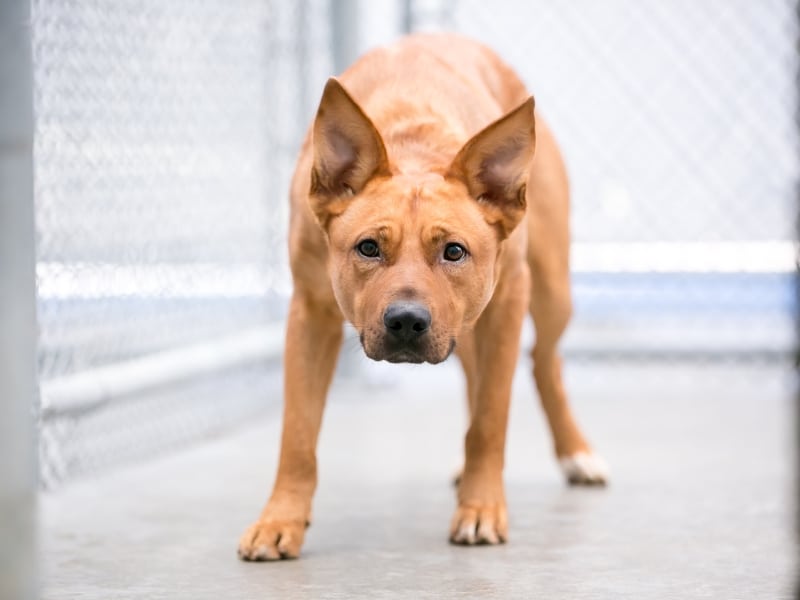
Boarding a dog can stir up more than just travel plans — it can stir up worry, tenderness and that quiet ache of stepping away from someone who trusts you with their whole world. If your dog is sensitive or already shows signs of kennel anxiety, the lead-up to boarding can feel emotionally heavy. Dogs tune into your routines, your movements, your scent; when those suddenly disappear, it can unsettle their sense of safety.
But with gentle preparation, emotional awareness and the right environment, a kennel stay doesn’t have to be distressing. It can become a manageable experience — even a healing one — when their needs are understood with heart and patience.
Why do dogs experience kennel anxiety in the first place?
Dogs aren’t dramatic — they’re honest. When something shakes their sense of security, they show it in the only ways they know how.
- Separation anxiety often begins when familiar cues vanish — your voice, your footsteps, your scent. That sudden shift can leave them pacing or unable to settle.
- New smells, noises and energy inside kennels can overwhelm even confident dogs. Barking, clanging bowls and echoing walls can heighten tension in sensitive nervous systems.
- Unfamiliar carers and unpredictable routines can push some dogs into emotional uncertainty. Without trust, they struggle to soften into the space.
- Dogs with past instability may associate change with fear. Emotional memories run deep, especially in dogs who’ve already weathered big transitions.
Understanding what sparks the anxiety helps you support them with compassion — not pressure — as they find their footing.
The deeper emotional layer that most kennel advice overlooks
Most boarding checklists focus on food, vaccination cards, pick‑up times and paperwork. Useful, yes — but none of that speaks to your dog’s emotional world. That’s where many kennel experiences fall short.
- Sensitive dogs need emotional stability, not just physical care. Predictability and gentleness matter just as much as meals and walks.
- A dog may look calm while quietly holding tension inside. Stillness doesn’t always mean comfort — sometimes it means shutdown.
- Small disruptions can feel huge to anxious dogs. A new feeding time or a different handler can unsettle their whole nervous system.
- Long-term wellbeing depends on emotional balance, not simply a “successful stay.” Some dogs come home looking fine but are carrying hidden stress.
For dogs who struggle with change, it’s worth exploring options that truly hold their emotional needs — beginning with gently understanding dog home boarding and how it differs from traditional kennels.
How do nature and space ease kennel stress?
Nothing steadies a dog quite like land underneath their paws and sky overhead. Many anxious dogs soften the moment they step into nature — not because they’re distracted, but because the environment finally matches what their nervous system longs for.
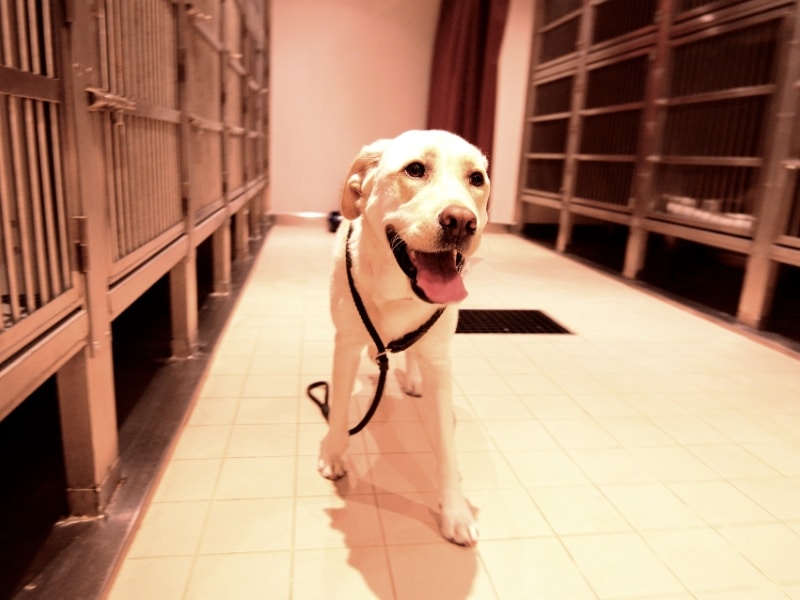
- Open paddocks and quiet spaces give dogs room to regulate themselves instead of reacting to overstimulation. Freedom helps release built-up tension.
- Natural rhythms — rustling leaves, warm sunlight, soft breezes — ease a dog back into their instinctive calm. It feels familiar, even if the place is new.
- Fewer dogs and more controlled social exposure prevent overwhelm and pressure. Sensitive dogs often flourish with thoughtful spacing.
- Calm, homestay-style environments allow dogs to be known personally, not managed impersonally. Feeling seen helps them feel safe.
Many owners find that dogs with big emotions respond best to nature-rich settings. That’s why the benefits of farm-based dog training often extend into boarding stays too — more space, more calm, more room to breathe.
How can you gently prepare your dog before their kennel stay?
Preparation isn’t about overthinking — it’s about giving your dog emotional footing before the big change. Thoughtful steps can soften their anxiety long before drop-off day arrives.
- Keep drop-off calm and simple — steady tone, relaxed body language, no dramatic goodbyes. Dogs borrow your emotional state.
- Pack familiar things: a worn shirt, a favourite toy, their usual bedding. These scents ground them when the world around them shifts.
- Try short pre-boarding visits to build confidence slowly. Small exposures help sensitive dogs adjust without overwhelm.
- Provide carers with honest notes about quirks, triggers, comforts and fears. The more they know, the more they can stabilise your dog emotionally.
Sometimes, reframing the boarding helps too. Many dogs respond beautifully to environments framed like a retreat rather than a separation, which is why exploring the benefits of a dog holiday can shift both your mindset and theirs.
What holistic tools can support an anxious or sensitive dog?
Some dogs don’t settle with routine alone — their anxiety sits deeper, in their muscles, breath and energy. Holistic care meets them where words and commands cannot.
- Soft-touch therapies like Bowen-style bodywork help release tension the dog holds internally. These gentle techniques speak directly to the nervous system.
- Quiet routines, calming music and warm resting spaces soothe dogs who feel rattled by too much noise. Stillness becomes a form of medicine.
- Practices that honour a dog’s emotional pace — not force quick adaptation — build far more trust. Sensitive dogs need room to arrive in their own time.
- Slow walks, mindful observation and gentle reassurance reduce overload and help dogs return to themselves. Healing comes through presence, not pressure.
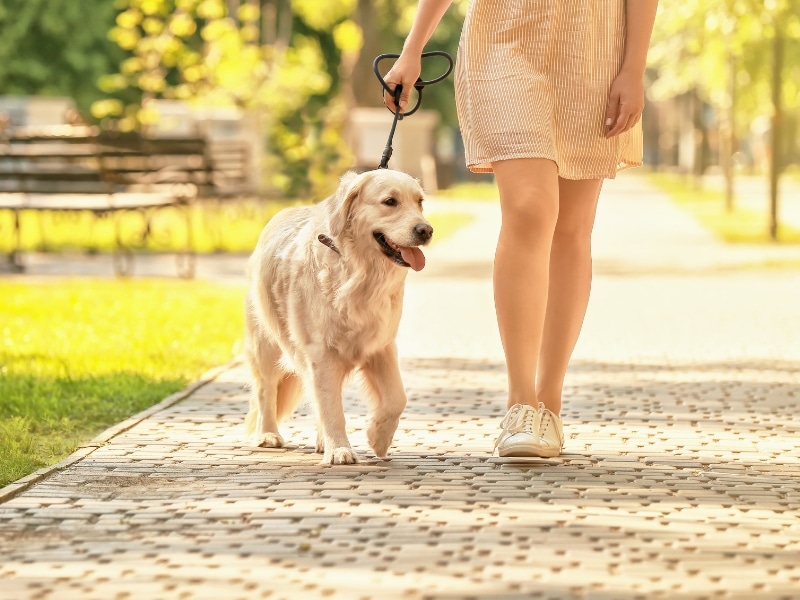
Even after their stay, choosing outdoor environments aligned with dog-friendly parks and forest regulations can support calm reintegration — soft surfaces, natural scents, and quiet trails ease the emotional shift back home.
What owners can do to feel more at ease, too?
You matter in this process just as much as your dog does. Your steady presence — before and after boarding — shapes how confidently they move through the experience.
- Give yourself time so the goodbye isn’t rushed or frantic. Your calmness becomes their cushion.
- Ask thoughtful questions about routines, emotional support, and how carers handle worried dogs. Clarity soothes uncertainty.
- Keep greetings soft when you pick them up — even if you missed them dearly. Big energy can flood a sensitive dog’s system after days of adjustment.
- Trust your instincts about what your dog needs emotionally. Knowing your dog well is not worry — it’s wisdom.
Supporting your dog’s emotional wellbeing often begins with supporting your own sense of readiness and reassurance.
When is kennel boarding not right for your dog?
Not every dog is suited for kennels — and that’s not a failure. It’s simply information about who they are and what they need to feel safe.
- Dogs with deep trauma or severe anxiety may unravel in noisy, fast‑paced environments.
- Highly sensitive dogs can withdraw, lose appetite or emotionally shut down if overwhelmed.
- Some dogs become reactive or tense simply from proximity to too many unfamiliar dogs.
- Dogs who thrive on calm connection may find more comfort in home‑style or farm‑stay environments.
Choosing differently isn’t indulgent — it’s compassionate.
A gentle closing message for anxious dogs and their humans
Stepping away from your dog — even for good reasons — can tug at the heart. But when you choose care rooted in sensitivity, emotional understanding and kindness, your dog can move through their kennel stay with far more ease. And if you ever need reassurance or personalised guidance, you can always reach out through a gentle note from The Mutts Nuts. May your dog feel held, safe and supported — and may you feel a quiet confidence knowing their inner world is honoured every step of the way.