


Can Basic Dog Training Help Stop Unwanted Behaviours?
When your dog seems to be acting out—barking too much, ignoring you, chewing things they shouldn’t—it’s not because they’re being naughty for fun. In most cases, it comes down to missing structure or unclear communication. Learning and applying dog training basics can redirect those behaviours into more calm, consistent responses. These aren’t just rules to follow; they shape how your dog fits into your everyday life. If things feel chaotic, it’s often because your dog’s unsure what you expect. This article explores how a few simple changes can bring out your dog’s best.
Why do dogs develop unwanted behaviours in the first place?
Dogs don’t usually misbehave just for the sake of it. When things go wrong, it’s often because their needs aren’t being met, or their world feels inconsistent. Knowing where those behaviours come from is the first step to turning them around. Here are the key contributing factors to dog behaviour problems & training:
- Boredom without mental or physical stimulation – Dogs that aren’t challenged or exercised enough often turn to digging, barking or chewing just to stay occupied.
- Lack of clear structure or routine – If rules change from day to day, your dog’s behaviour will too. Predictable routines make dogs feel secure.
- Confusion due to inconsistent signals – If one person says “off” and another laughs when they jump, your dog won’t know what’s right. That leads to more mixed behaviour.
- Environments filled with triggers – Busy parks, loud noises, or lots of new faces can overwhelm some dogs, leading them to act out instead of calming down.
When you see misbehaviour, try viewing it as your dog’s way of saying, “I’m confused,” or “I need more from you.” Fix that, and the behaviour usually improves.
What happens when owners skip the dog training basics?
If you skip the basics, life with your dog often gets harder than it needs to be. The longer you wait to set clear expectations, the more confusion and tension build. Dogs need direction early on to feel confident and connected. Here are the reasons skipping dog training basics creates long-term issues:
- Missed foundations that lead to poor recall and manners – Without strong basics like recall and stay, your dog may struggle to handle the everyday world.
- How early consistency builds long‑term obedience – Teaching early and often helps your dog build habits that stick—even when things get distracting.
- Relying on punishment at the expense of clarity – Skipping training often leads to correcting behaviour in the moment instead of showing what to do instead.
- Delayed intervention magnifies issues – Problems that seem small now, like leash pulling or ignoring commands, often grow into bigger safety concerns later.
When you’ve hit a wall, it might be time to revisit beginner obedience lessons for dogs. Getting the fundamentals right isn’t just helpful—it’s essential.
Can frustration make behaviour issues worse for both of you?
Training a dog takes time, and yes, sometimes it’s frustrating. But when frustration becomes the norm, it doesn’t just wear you down—it confuses your dog, too. Emotional stress can turn training into a battle instead of a bond. Here are the ways frustration can escalate behaviour issues and strain your bond:
- When training stress affects your bond – Raised voices and body tension can make your dog anxious. That tension creates a loop where they avoid trying altogether.
- Balancing patience with structure and repetition – Dogs don’t learn in one go. They need repetition, and they need you to stay calm and consistent throughout.
- Misplaced correction breeds anxiety or avoidance – If the correction feels harsh or unexpected, your dog may retreat or lash out instead of understanding what’s wrong.
- Owner burnout reduces the quality of interaction – When training feels like a chore, both you and your dog check out. That’s when bad habits creep back in.
When emotions are running high, stepping back and trying a few dog training tips can help reset the tone. Training works best when both sides feel understood.
How does positive reinforcement fit into dog training basics?
Training doesn’t have to be about control or force. Positive reinforcement works by rewarding your dog for doing the right thing—and that makes them more likely to do it again. It’s simple, proven, and gives both you and your dog a better experience. Here are the benefits of using positive reinforcement dog training:
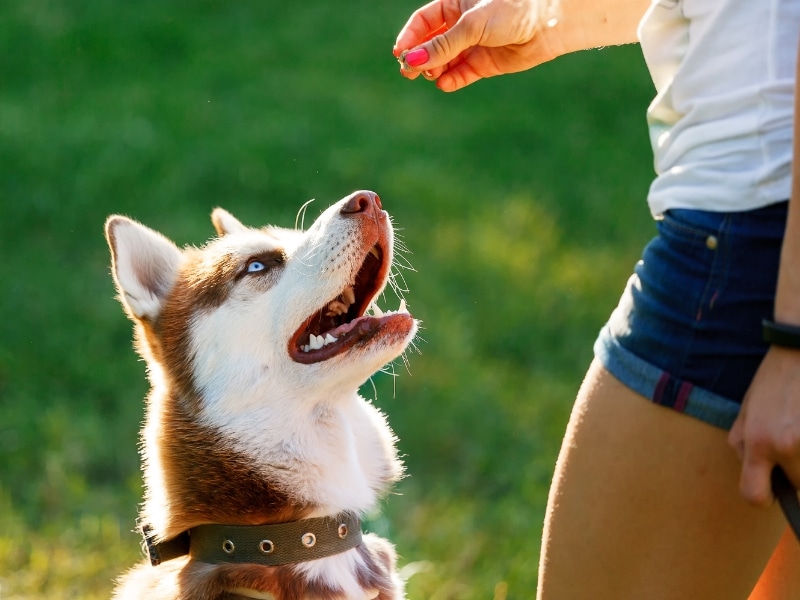
- Why reward-based learning improves confidence – When your dog knows good behaviour gets good results, they’ll start offering it more often.
- Examples of rewards that work beyond treats – Toys, games, or even extra time outside can be as motivating as food—especially once your dog knows what you’re asking.
- Reduced stress means better behaviour outcomes – Dogs that feel safe and supported are more likely to stay focused and calm, even in busy settings.
- Consistency builds habit and clarity – When rewards come predictably for the right behaviours, your dog figures things out fast and sticks with it.
A thoughtful mix of structure and praise makes for happy training sessions. That’s the heart of positive reinforcement dog training.
Which basic dog training commands calm unwanted habits?
When your dog gets worked up—jumping, barking, pulling—you need tools that help them settle and refocus. That’s where core commands come in. These aren’t tricks; they’re the foundation for calm, safe behaviour. Here are the key basic dog training commands that reduce unwanted behaviour:
- Teaching the core five: Sit, Stay, Come, Leave It, Heel – These give you control and give your dog clear jobs to focus on.
- When to introduce simple obedience exercises – Start in quiet spots and keep sessions short. Build slowly and praise often.
- Incorporating commands into everyday life – Use “Stay” before meals or “Leave It” on walks—repetition in real life makes it stick.
- Redirecting with commands instead of correcting – When your dog starts to act up, calmly give a command. That redirection teaches more than shouting ever will.
| Command | Purpose | When to Use It |
| Sit | Interrupts overexcitement | Before greeting guests, during play, or on walks |
| Stay | Builds impulse control | At doors, near roads, or when distractions appear |
| Come | Improves recall and safety | At the park, in the backyard, or when off-lead |
| Leave It | Prevents unwanted interaction | With food, rubbish, or other dogs during walks |
| Heel | Encourages calm walking behaviour | On-lead, in crowded places, or near traffic |
Pair these cues with consistency and responsible dog ownership guidelines to help your dog understand what’s expected—no matter where you are.
When to seek help from a certified trainer for extra support
If your dog’s behaviour is starting to feel too much to handle, you’re not alone. Some things are better tackled with guidance from someone who’s trained to help. That support can be the turning point. Here are signs your dog might benefit from dog obedience training:
- How to choose the right professional for your dog’s temperament – Look for trainers who ask about your dog’s history, communicate clearly, and avoid force-based methods.
- Using positive reward techniques safely at home – A trainer can help fine-tune your timing and teach you how to use rewards that work in real-world situations.
- You’re repeating the same issues without progress – If you’ve tried everything and nothing sticks, a trainer’s outside perspective can shift the dynamic fast.
- The issue poses safety concerns – Aggression, fear biting, or lunging are serious signs. These situations call for professional assessment and a plan.
Knowing when to get help isn’t giving up—it’s stepping forward. Support gives you the tools to shift from tension to teamwork.
Final thoughts on mastering dog training basics
Dog training doesn’t need to be complicated—but it does need to be consistent. Whether you’re working on recall, calm behaviour, or leash manners, the way forward is through the basics. Set the tone early, and your dog will follow your lead with confidence. If you’re ready to take things further, reach out for a trusted guide from The Mutts Nuts. Your effort now shapes the kind of companion your dog becomes tomorrow.