


Can Anxiety Training for Dogs Help Your Dog Feel Safe Again?
Some dogs carry more than just wagging tails and sloppy kisses — they carry worry. They flinch at noises, shrink back from strangers, or freeze on walks. As a dog owner, it’s heartbreaking. You can see the world overwhelms them sometimes, and you just want to help them feel safe again. That’s where anxiety training for dogs steps in — not to “fix” them, but to understand them. With the right kind of support, these dogs can begin to let go of fear and grow into calmer, more confident versions of themselves.
Why do some dogs carry anxiety in their hearts?
Some dogs are born with soft spirits. Others are shaped by shaky pasts or stressful early experiences. And some simply react more deeply to the world around them — loud sounds, sudden changes, or new people.
- Genetics can play a role in how sensitive or reactive a dog becomes. Some dogs are just wired to feel things more strongly.
- Early trauma, lack of socialisation or unstable homes can plant fear deep in a dog’s nervous system. These early chapters matter more than we often realise.
- Big life changes — a move, loss of a family member, or another pet — can trigger or resurface anxiety. Dogs feel these shifts more than we give them credit for.
- Some dogs develop anxiety simply by feeling unsafe in daily life — without routine, predictability or emotional support. It doesn’t always take a major trauma.
It’s not about having a “bad dog.” It’s about helping a worried soul feel safe enough to settle.
Why can traditional training fall short for anxious dogs needing deeper anxiety training support?
Many anxious dogs have been through training — but training alone isn’t always enough. It’s not about sit-stay-heal. It’s about trust, emotional safety, and patience.
- Standard obedience training often relies on structure and correction, which can overwhelm anxious dogs. When stress is misread as disobedience, things get worse.
- Anxious dogs don’t learn well in high-stress situations — they freeze, shut down or escalate. You can’t build trust in a state of panic.
- Methods focused on control rather than connection miss the emotional layer. You can teach a dog to “stay” while they’re still flooded with fear.
- Pushing anxious dogs to “face fears” too quickly can backfire, reinforcing trauma rather than building resilience. Slow, choice-based support works better.
To truly support these dogs, it helps to understand frameworks like those found in the responsible dog ownership guidelines. These emphasise care, regulation and emotional balance as core to wellbeing.
What do anxious dogs truly need to feel safe again through gentle anxiety training for dogs?
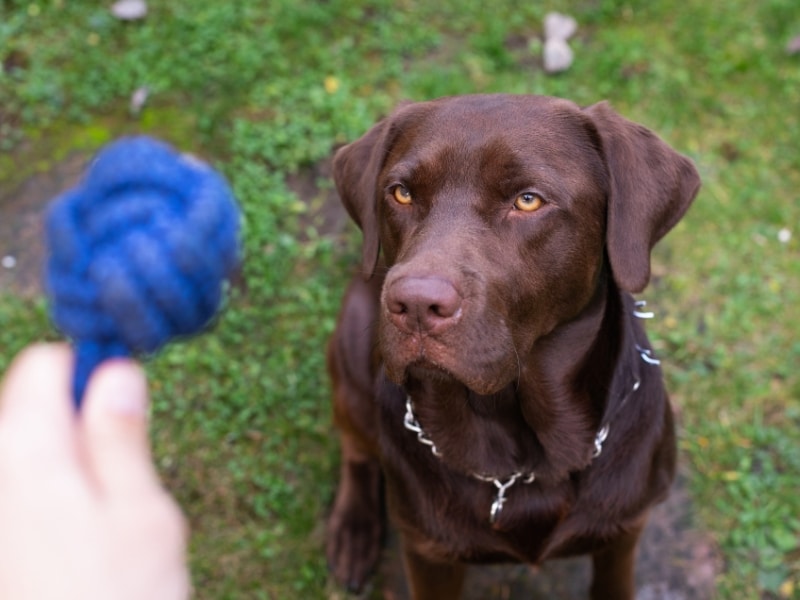
When you strip it all back, anxious dogs aren’t asking for drills or perfection. They want to feel seen, understood, and allowed to take things at their own pace.
- Connection comes first — a dog must feel emotionally safe before learning can stick. That’s when the real growth begins.
- Choice matters. Letting dogs decide when to engage reduces overwhelm and builds confidence. Forced training breaks trust instead of building it.
- Training sessions should be short, positive, and tailored to the individual dog’s threshold. One dog’s progress point may be another’s panic zone.
- Clear, calm communication builds confidence. Dogs need predictability in tone, body language and intent. Inconsistency erodes trust fast.
This kind of training helps dogs learn they can move through the world with curiosity instead of fear — and that’s life-changing. Many owners find lasting breakthroughs when combining behaviour training with gentle Bowen Therapy for dogs to support nervous system calm and physical comfort.
What holistic approaches can gently ease canine anxiety within a compassionate anxiety training for dogs framework?
Holistic support brings in more than treats and cues — it works with the whole dog: their nervous system, energy, past experiences and daily rhythms.
- Body-based therapies like Bowen, Reiki, and intuitive touch can create deep regulation without over-stimulating the dog. These calm the system at its root.
- Calm training routines that follow a rhythm, not a drill, work with the dog’s energy, not against it. It’s a shift from pressure to presence.
- Supportive home environments with familiar scents, soft bedding and gentle voices make a huge difference. That safety carries into training moments.
- Dogs often show progress when anxiety training is paired with emotional pattern observation and subtle desensitisation. It’s about learning your dog’s emotional blueprint.
When training blends with understanding, dogs start to shift. That’s the heart of true calm support for anxious dogs — compassionate, slow, and deeply intuitive.
How a farm-style environment can help anxious dogs reset
Nature has a way of calming the nervous system. Farm-style boarding or training offers a softer setting — one that doesn’t demand too much, too fast.
- Big open spaces allow dogs to decompress physically and emotionally. No tight leads, no crowded kennels — just space to be.
- Less noise, more natural sounds, and a slow rhythm help soothe frazzled nervous systems. Many dogs sleep more deeply and breathe more easily in this setting.
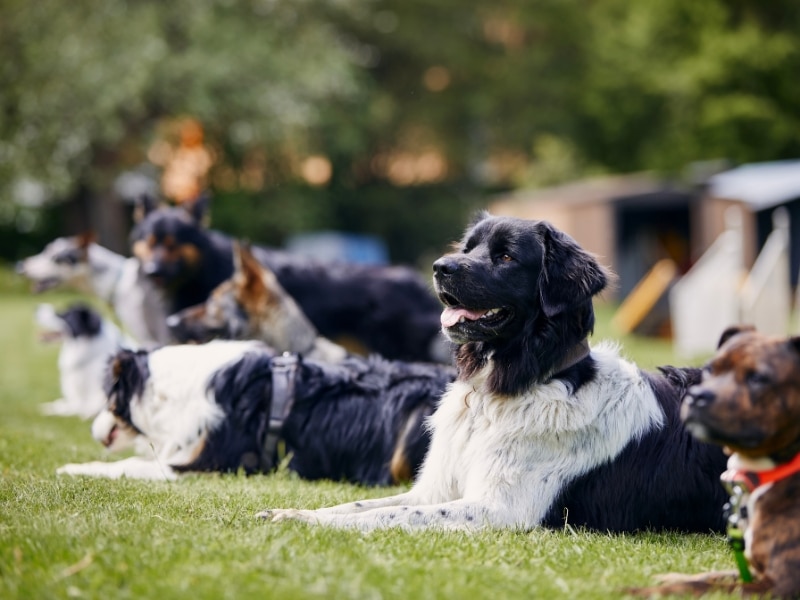
- Smaller dog groups or one-on-one care prevent overwhelm. Anxious dogs need time and safety to settle.
- Freedom to observe, retreat or engage as needed builds self-confidence. Confidence grows when there’s no pressure to perform.
That’s why building confidence in uncertain dogs often works best when they’re surrounded by paddocks, trees, and quiet — not walls and whistles.
What simple steps can you start at home today as part of anxiety training for dogs?
You don’t need fancy tools to begin. You just need patience, consistency, and a willingness to listen to your dog’s cues.
| Step | What It Helps |
| Create a predictable daily rhythm | Routine builds safety and lowers uncertainty |
| Use calm, low-tone voice consistently | Tone affects trust and emotional state |
| Set up a dedicated “safe space” | A cosy, quiet spot helps with self-soothing |
| Celebrate small wins | Builds resilience without pressure or overexposure |
- Short training moments — like a calm sit or slow touch — help build regulation. It’s not about long sessions.
- Desensitisation and counter-conditioning work best when paired with rest and downtime. An anxious dog needs space to integrate.
- Get curious about their stress triggers — observe without judging. That’s where the most useful info lives.
- Start slow, go at their pace. It’s better to build trust gently than rush into bigger behaviours.
These steps — while small — set the foundation for safer, more sustainable progress.
Final thoughts — finding the path back to calm and confidence
Helping an anxious dog feel safe again isn’t about a quick fix. It’s about noticing what they need, gently meeting them there, and holding space for the slow, steady return of trust. Whether it’s soft training, supportive therapy, or a safe farm space to rest and reset, anxiety training for dogs can be a pathway to a fuller, freer life. And if you’re not sure where to begin, you’re not alone. You can always seek guidance from The Mutts Nuts — we’re here to listen, support and gently guide you and your dog toward a calmer tomorrow. With gentle preparation, emotional attunement and a kind setting, your dog’s week away may become a healing, balancing chapter — one where they return home more grounded, balanced and ready for love.